
How New Restoration Businesses in Los Angeles Complete Jobs Without Owning Drying Equipment
January 9, 2026How Equipment Rentals Reduce Startup Risk for Restoration Business Owners
January 9, 2026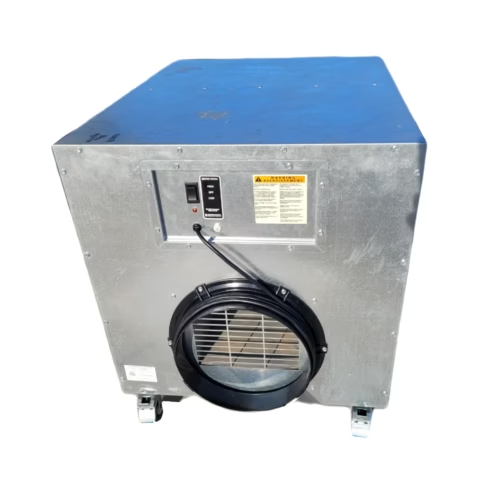
Facing your first water damage restoration job can feel overwhelming. Especially in Los Angeles where properties, building materials, and insurance expectations vary widely. Dealing with water damage requires speed, structure, and the right restoration process. A clear water damage restoration checklist helps prevent further damage, reduces restoration costs, and protects property owners from secondary damage like mold.
This guide to water damage restoration walks you through every stage of your first restoration project using rented equipment like air scrubbers. Keep reading to gain peace of mind, protect your property, and confidently navigate water damage from start to finish.
Understand the Situation Before You Begin Restoration
Before any restoration work starts, you must assess the damage. Water damage is a complex situation, and the extent of damage depends on the water source, the flow of water, and how long water intrusion occurred.
During your initial walkthrough, focus on the following:
- Identify the source of the water and stop the water source immediately
- Determine whether the water is clean, gray, or black water
- Look for standing water, surface water, or deep water
- Inspect behind walls, under flooring, and inside cabinets
- Check porous materials that may trap moisture
If needed, shut off the main water or water supply and flip the breaker if electrical systems are compromised. These steps protect your property and ensure safety before water removal begins.
Document Damage for Insurance and Claims Process
Proper documentation is essential when facing water damage. Insurance companies rely on clear evidence to evaluate an insurance claim and assign an insurance adjuster.
Be sure to collect:
- Photos and videos of the affected area
- Images showing the extent of the damage
- Visual proof of the cause of the water damage
- Records of damaged belongings and materials
Homeowners should review insurance policies and flood insurance coverage early. This preparation helps streamline the claims process and reduces delays during restoration work.
Remove Standing Water Immediately
Removing standing water is the most urgent step in the water damage restoration process. Water removal within 24-48 hours is critical to prevent mold growth and secondary damage.
Use the right tools based on conditions:
- Submersible pumps for bulk water and gallons of water
- Vacuums for shallow water extraction
- Water extraction tools for carpets and padding
Removing standing water lowers water vapor levels and limits damage caused by prolonged saturation. Water is removed first so the drying process can begin properly.
Begin Water Extraction and Structural Drying
After the removal of standing water, focus on extracting moisture from materials. Carpets, drywall, insulation, and other porous materials hold moisture that leads to mold growth if ignored.
Key steps include:
- Positioning air movers to improve airflow
- Using dehumidifiers to support drying and dehumidification
- Creating a controlled drying environment
- Monitoring moisture levels with a moisture meter
Structural drying is essential for proper water damage restoration and supports scientific drying standards.
Control Air Quality and Sanitize Affected Areas
Dealing with the aftermath of water damage often introduces contaminants into the air. Proper air management protects occupants and restoration professionals.
Recommended actions:
- Use HEPA air scrubbers when needed
- Sanitize all affected surfaces
- Disinfect areas exposed to black water
- Reduce airborne particles and odors
Sanitizing the space helps prevent mold growth and supports effective restoration.
Monitor Drying Progress and Adjust Equipment
The drying process requires daily attention. Water damage restoration is never a one time setup.
Daily tasks should include:
- Checking moisture levels in materials
- Comparing readings to previous days
- Adjusting air mover placement
- Adding equipment if drying stalls
Consistent monitoring prevents secondary damage and supports proper water damage restoration.
Prevent Secondary Damage and Mold Growth
Secondary damage like mold can begin within 24 to 48 hours if moisture remains. Prevent further damage by maintaining airflow and dehumidification.
To reduce risk:
- Keep a controlled drying environment
- Address hidden moisture behind walls
- Avoid neglecting water damage signs
- Complete structural drying thoroughly
Preventing secondary damage protects your property and reduces restoration costs.
Coordinate With Insurance Adjusters and Restoration Professionals
Clear communication helps restoration projects move forward smoothly.
Important coordination steps:
- Share photos and videos with the insurance adjuster
- Provide moisture readings and scope of work
- Explain the restoration process to the homeowner
- Document all restoration services performed
Certified restoration professionals understand the restoration industry and work efficiently with insurance companies.
Prepare for Equipment Removal and Final Inspection
Once drying is complete, verify all materials are dry and sanitized.
Final checks include:
- Confirming moisture readings meet standards
- Inspecting behind walls and under flooring
- Removing rented equipment safely
- Preparing the home back for repairs or occupancy
This stage moves the property closer to its pre loss condition and helps homeowners get their home back to normal.
Using Rented Equipment for Professional Restoration Results
For first restoration projects, renting equipment allows flexibility and access to professional tools without heavy investment. Using specialized equipment supports proper water damage restoration and overall restoration success.
For additional insight, refer to our article on Emergency Water Damage Restoration Equipment Rentals In Los Angeles, which explains how rented equipment supports fast water removal and effective restoration during urgent situations.
Get Your Home Back Faster With LA Restoration Rentals
Completing your first water damage restoration project correctly builds trust and long term success. A comprehensive checklist, scientific drying, and professional restoration equipment help property owners move back into their home with confidence.
LA Restoration Rentals supports professional water damage restoration across Los Angeles. We deliver equipment directly to residential and commercial properties. A deposit is required based on rental duration, with the remaining balance due upon completion.
If you are facing water damage or managing a restoration project, contact LA Restoration Rentals at 310 493 2162. We help protect your property, prevent further damage, and restore homes to their pre loss condition efficiently.
